
Knowing the Couple Matters More Than Knowing the Playlist
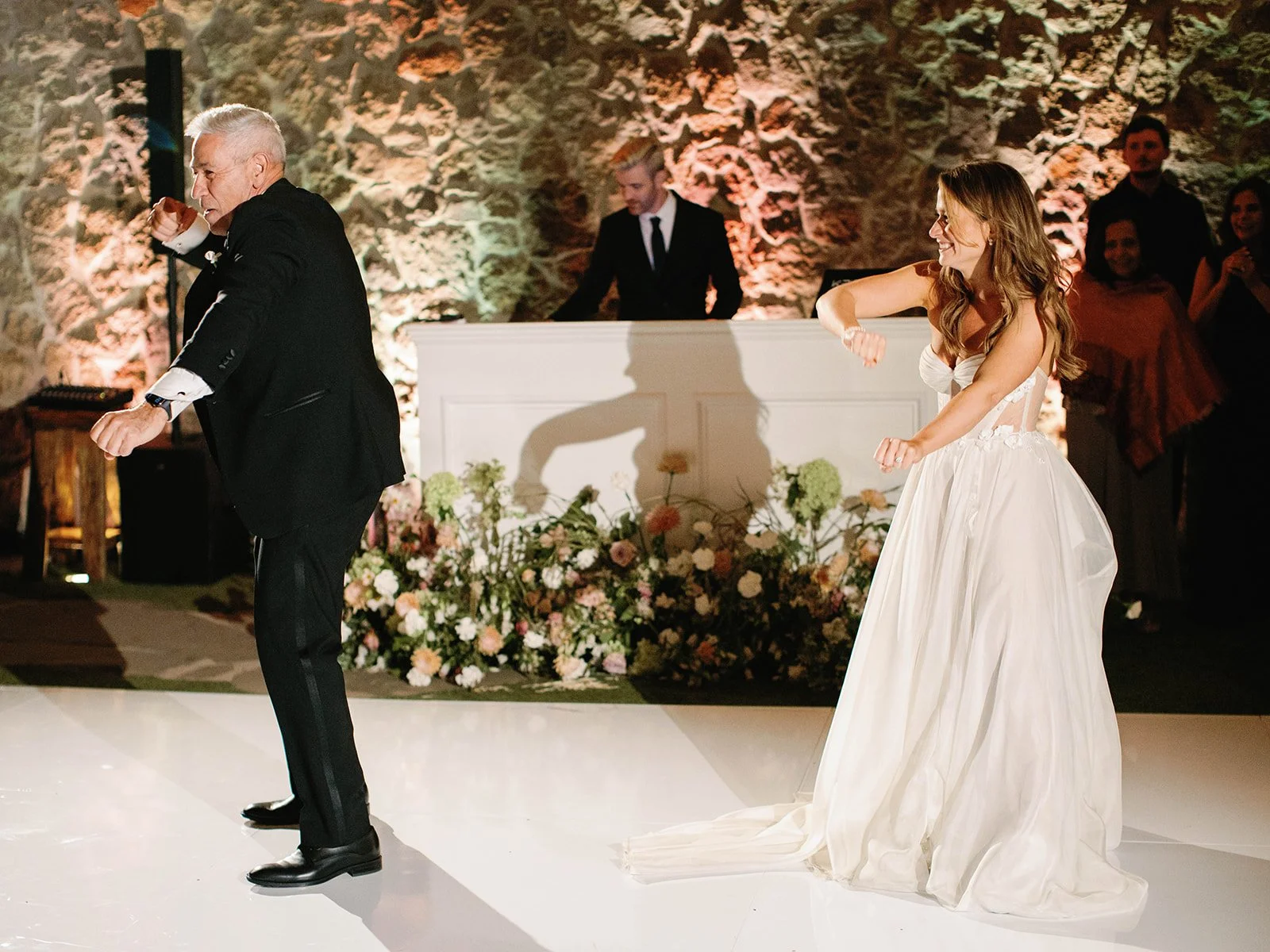
Playlists are easy to build.
Understanding people takes time.
Music is often treated as a checklist item in wedding planning, something to finalize once the bigger decisions are made, but the truth is that music only works when it reflects the personalities, pace, and emotional tone of the people at the center of the room.
Two weddings can share the same songs and feel completely different. The difference is never the playlist. It is interpretation.
Music Is Context, Not Just Selection
A song does not exist in isolation. It carries memory, expectation, and emotional weight depending on who is listening and when it is played. What works for one couple at nine o’clock can fall flat for another at ten thirty. What energizes one room might overwhelm another. The role of a DJ is not simply to play what is requested, but to understand how those requests fit into the larger rhythm of the night.
That understanding only comes from conversation.
Listening Before Playing
The most important part of music planning happens long before a wedding day. It happens when couples talk about how they want the night to feel rather than which songs they want to hear. Those conversations reveal far more than a list ever could. They uncover boundaries, energy levels, cultural context, and moments that matter more than others. They also create trust, which allows space for flexibility when the night inevitably takes on a life of its own.
When trust exists, music feels less like performance and more like collaboration.
Restraint Is Part of the Craft
Not every great moment comes from pushing energy higher. Sometimes it comes from knowing when to hold it steady, when to let a room breathe, and when to allow a moment to linger instead of rushing past it. Restraint is often what separates a night that feels curated from one that feels crowded. It requires confidence to let a room settle before asking it to rise again, and that confidence is built through experience and attentiveness rather than volume or spectacle.
When Music Feels Inevitable
The best musical moments feel obvious in hindsight. Guests remember how the night felt without remembering exactly why it worked. That feeling comes from alignment. Between the couple and the DJ. Between the room and the music. Between intention and execution. Knowing the couple allows music to feel inevitable rather than impressive, as though it belongs exactly where it landed. That is when a wedding stops feeling like a series of songs and starts feeling like a shared experience.
And that is always the goal.